You've finally reached that stage of life where you think you've figured a few things out. You've survived your teenage years, pregnancies, raising children, building a career and probably a fair amount of chaos along the way.
You've worked out which skincare products suit you, you've got a reasonably good routine going and, for the most part, your skin has been behaving itself.
And then, somewhere in your forties, it all seems to change.
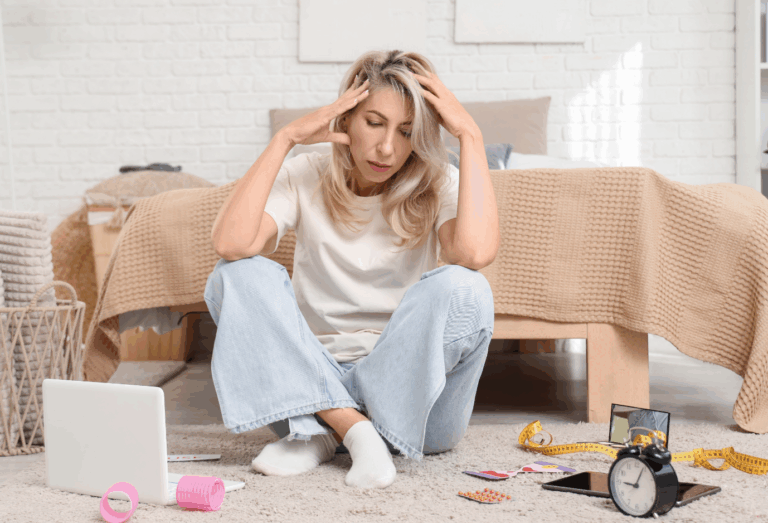
Suddenly you're breaking out along your jawline like a teenager. Your skin feels dry, your complexion looks dull, the products you've used for years are irritating you and you're noticing lines that you swear weren't there six months ago.
Meanwhile, you're waking up at 3 am, your patience is hanging by a thread, your periods have become unpredictable and your libido seems to have packed its bags and left without telling you.
And you're wondering what on earth is going on.
Welcome to perimenopause.
Well, possibly. Because while these changes can be related to perimenopause, we shouldn't automatically blame every symptom on hormones without considering what else might be happening.
Your skin doesn't exist independently of the rest of your body.
This is something I talk about with my patients all the time.
We tend to treat skin concerns as isolated problems. We see acne and buy an acne product. We notice dryness and reach for a richer moisturiser. We see wrinkles and start investigating injectables.
But what if the problem isn't simply your skincare? What if your skin is responding to changes happening elsewhere in your body?
Our skin is influenced by hormones, nutrition, sleep, stress, medication, inflammation and general health. Oestrogen, in particular, plays an important role in collagen metabolism, skin thickness, hydration, elasticity and wound healing.
During perimenopause, hormone levels fluctuate, sometimes considerably, before oestrogen levels eventually decline through menopause. And for some women, those changes start showing up in their skin.
Research has demonstrated an association between menopause-related oestrogen decline and changes in skin collagen, elasticity and thickness. A 2012 review by Calleja-Agius and Brincat in Gynecological Endocrinology describes these changes, while a 2022 review, Skin, Hair and Beyond: The Impact of Menopause, explores the wider effects on skin and hair.
So what actually happens to our skin?
Let's start with collagen.
As we age, collagen production and organisation change naturally. But the hormonal changes associated with menopause can contribute to a further reduction in skin collagen and elasticity.
You may notice that your skin doesn't feel quite as firm, fine lines become more visible or your face seems to have lost some of its previous resilience.
Research has shown that oestrogen deficiency is associated with skin collagen loss, although the extent varies between women. And we shouldn't forget that genetics, sun exposure and lifestyle are also major contributors to skin ageing.
Then there's the dryness.
Women who have spent their entire lives complaining about oily skin suddenly find themselves reaching for moisturiser several times a day. Their skin feels tight, makeup doesn't sit properly and products they've used for years start causing irritation.
Changes in hydration and barrier function can contribute to this, but so can aggressive skincare, over-exfoliation and other skin conditions.
And then there's my personal favourite: the return of teenage acne.
Because apparently dealing with hot flushes, interrupted sleep and hormonal mood changes isn't quite enough. We also need a few pimples to complete the experience.
During perimenopause, changes in the balance between oestrogen and androgen activity may contribute to acne in some women, particularly around the jawline and chin.
But not every breakout in your forties is hormonal acne. Rosacea, perioral dermatitis and skincare-related irritation can look remarkably similar, and treating the wrong condition can make things considerably worse.
It's not just wrinkles and pimples.
Some women notice increased hair shedding or changes in hair texture. Others start developing facial hair in places they never had it before.
Skin may appear duller, pigmentation can become more noticeable and sensitivity may increase. These changes can have several causes, and sun exposure remains a particularly important contributor to pigmentation and visible skin ageing.
Add poor sleep, stress and the general exhaustion that sometimes accompanies this stage of life, and it's hardly surprising that some women look in the mirror and wonder where the person they recognise has gone.
What frustrates me is how often women are told that it's simply part of getting older.
Of course, ageing is part of life. We aren't going to look 25 forever, nor should that be the expectation.
But just because something is common during ageing doesn't mean it should automatically be dismissed.
If your symptoms are affecting your confidence, sleep, relationships or quality of life, you deserve to have them taken seriously.
Sometimes you come in for your skin, and we end up talking about everything else.
I see this quite often in my consulting rooms in Hilton and Ballito.
A patient books because her pigmentation has worsened or her skin suddenly seems to have aged. She wants to know which peel, injectable or skincare product will fix it.
But once we start talking, a different picture emerges. She's not sleeping, her periods have changed, she's exhausted and her mood is unpredictable.
Now, perhaps she's in perimenopause. Perhaps there's an underlying thyroid condition, iron deficiency or another medical issue contributing to her symptoms. Or perhaps her skin concerns are completely unrelated.
That's why we ask questions before we start treating.
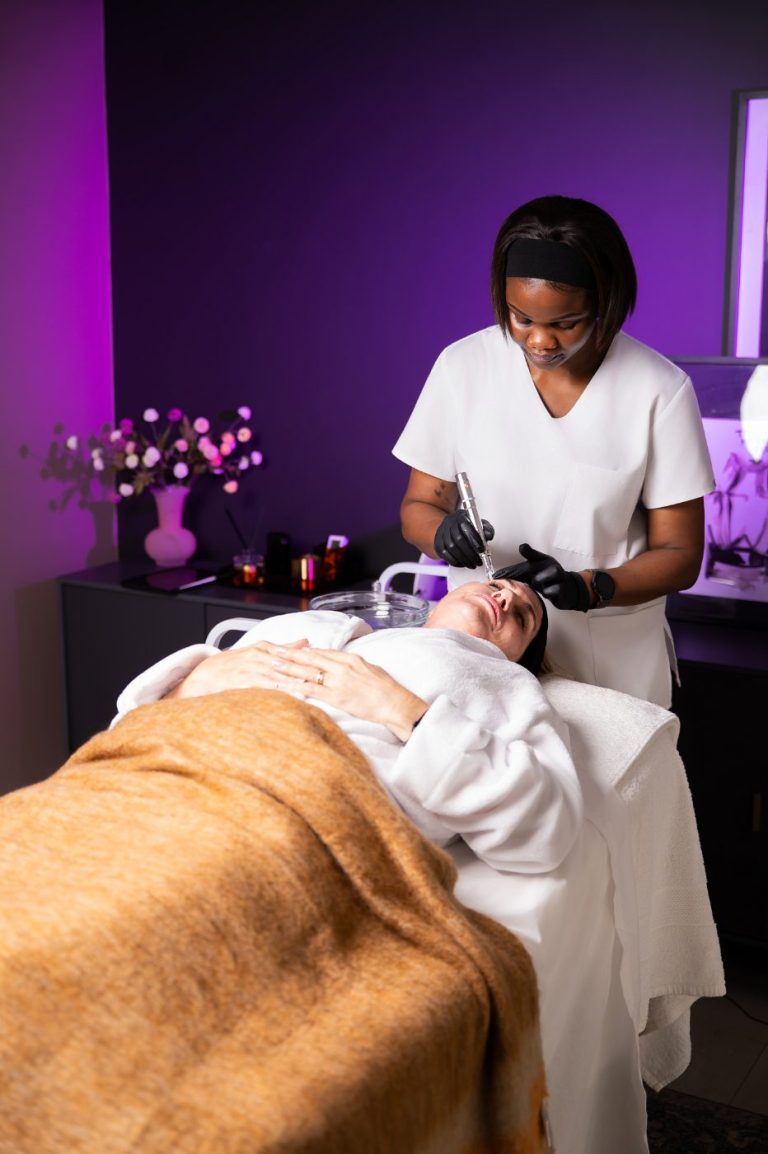
At Omnia, we use advanced skin analysis to help assess skin condition, pigmentation, texture and other visible concerns. But no skin analysis machine can tell me whether you're perimenopausal or diagnose a hormonal imbalance.
And neither can one random hormone blood test.
According to the NICE menopause guideline, otherwise healthy women aged 45 and older with typical symptoms can generally be assessed for perimenopause clinically, without routine hormone testing. In younger women, or where symptoms are unusual, further investigations may be appropriate.
Hormone levels fluctuate considerably during this transition, so a single result can be misleading.
So when should you actually come for a consultation?
If you've noticed changes in your skin that you can't explain, particularly when they're happening alongside changes in your periods, sleep, mood or general wellbeing, it's worth having a conversation.
Perhaps your skin has suddenly become unusually dry or sensitive. Maybe you're struggling with persistent adult acne, increased hair shedding or changes in pigmentation. Or perhaps you're noticing several changes at once and your usual skincare routine simply isn't helping.
You don't need to wait until you're having severe hot flushes or your periods have stopped to ask whether perimenopause could be contributing.
And if you develop unusual or heavy bleeding, bleeding after menopause, significant hair loss or severe symptoms, don't simply assume it's hormonal. Those changes deserve appropriate medical assessment.
Sometimes the answer isn't another serum.
Don't get me wrong. I love good skincare, and there is a huge amount we can do to improve skin quality during this stage of life.
We can strengthen the skin barrier, address pigmentation, manage acne and consider carefully selected treatments to improve texture, hydration and collagen-related changes.
But if you're sleeping three hours a night, struggling with significant menopausal symptoms and feeling completely unlike yourself, improving your complexion alone isn't going to address the bigger picture.
This is exactly why I believe medical aesthetics and broader healthcare should work together.
Through Omnia's Health Lab, we can look beyond the skin when appropriate, considering symptoms, medical history, lifestyle and whether further investigation or menopause-related care is needed.
For some women, that may include discussing menopausal hormone therapy with an appropriately qualified medical practitioner. For others, different medical or lifestyle interventions may be more suitable.
Hormone therapy isn't a cosmetic anti-ageing treatment, and it isn't right for everyone. The decision needs to be based on symptoms, medical history, individual risks and informed choice.
What matters is understanding what's happening before deciding how best to manage it.
I don't want women to feel that they're simply falling apart.
Some women sail through it. Others feel as though their bodies have changed the rules overnight, and nobody thought to tell them.
I don't believe we need to medicalise every change or promise that we can reverse the ageing process. But I do believe women deserve better explanations, better assessments and more options than simply being told to accept it.
Sometimes we can improve the skin. Sometimes we need to address what's happening medically. Often, it's a combination of both.
And sometimes the most valuable part of the consultation is simply helping a woman understand why she's experiencing these changes.
Your skin may be telling us something. I think we owe it to you to listen.
Because good skin medicine has never been about treating the skin in isolation.
It's about understanding the woman underneath it.
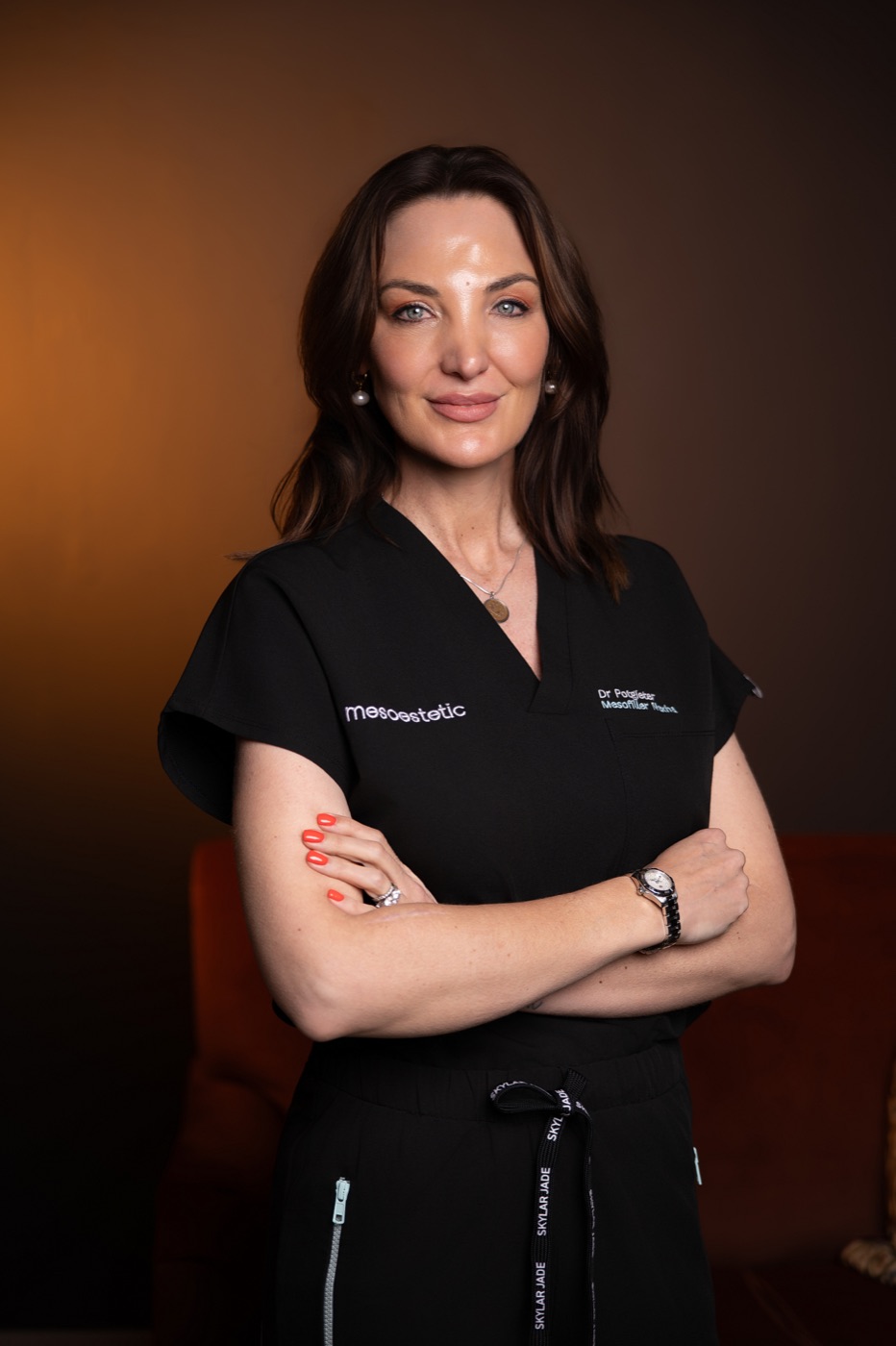
Dr Nicky Potgieter
Omnia | Medical Aesthetics, Skin Health & Wellness
Good medicine begins with better questions.
Have a question you'd like Dr Nicky to answer? Send it to the Omnia team, or book a consultation at our Hilton or Ballito practice.
Frequently asked questions
Can perimenopause cause acne?
Yes. Hormonal changes during perimenopause may contribute to adult acne, particularly around the chin and jawline. However, not every breakout is hormonal, so a proper skin assessment is important.
Why is my skin suddenly so dry during perimenopause?
Changes in oestrogen levels can affect skin hydration and barrier function. Dryness may also be influenced by skincare products, environmental factors or other medical conditions.
Can perimenopause make your skin age faster?
Menopause-related oestrogen decline is associated with changes in collagen, elasticity and skin thickness. However, skin ageing is influenced by many factors, including genetics, sun exposure and lifestyle.
Should I have my hormones tested if my skin suddenly changes?
Not necessarily. In women over 45 with typical perimenopausal symptoms, diagnosis is often based on medical history and symptoms rather than routine hormone testing. Your doctor can advise whether further investigations are appropriate.
References
- Calleja-Agius J, Brincat M. (2012). The effect of menopause on the skin and other connective tissues. Gynecological Endocrinology. Source
- Skin, hair and beyond: the impact of menopause. (2022). Climacteric. Source
- Skin connective tissue and ageing. (2013). Best Practice & Research Clinical Obstetrics & Gynaecology. Source
- Aesthetically relevant symptoms of menopause transition: Impact and approach to management. (2026). Review article. Source
- National Institute for Health and Care Excellence (NICE). Menopause: Identification and Management — NG23. Updated guidance. Source
Every Journal article is written or reviewed by our medical team. This is general information, not medical advice: for your skin specifically, book a consultation at our Hilton or Ballito practice.